5 Things My Cherry Tree Taught Me About Hope and Life Seasons
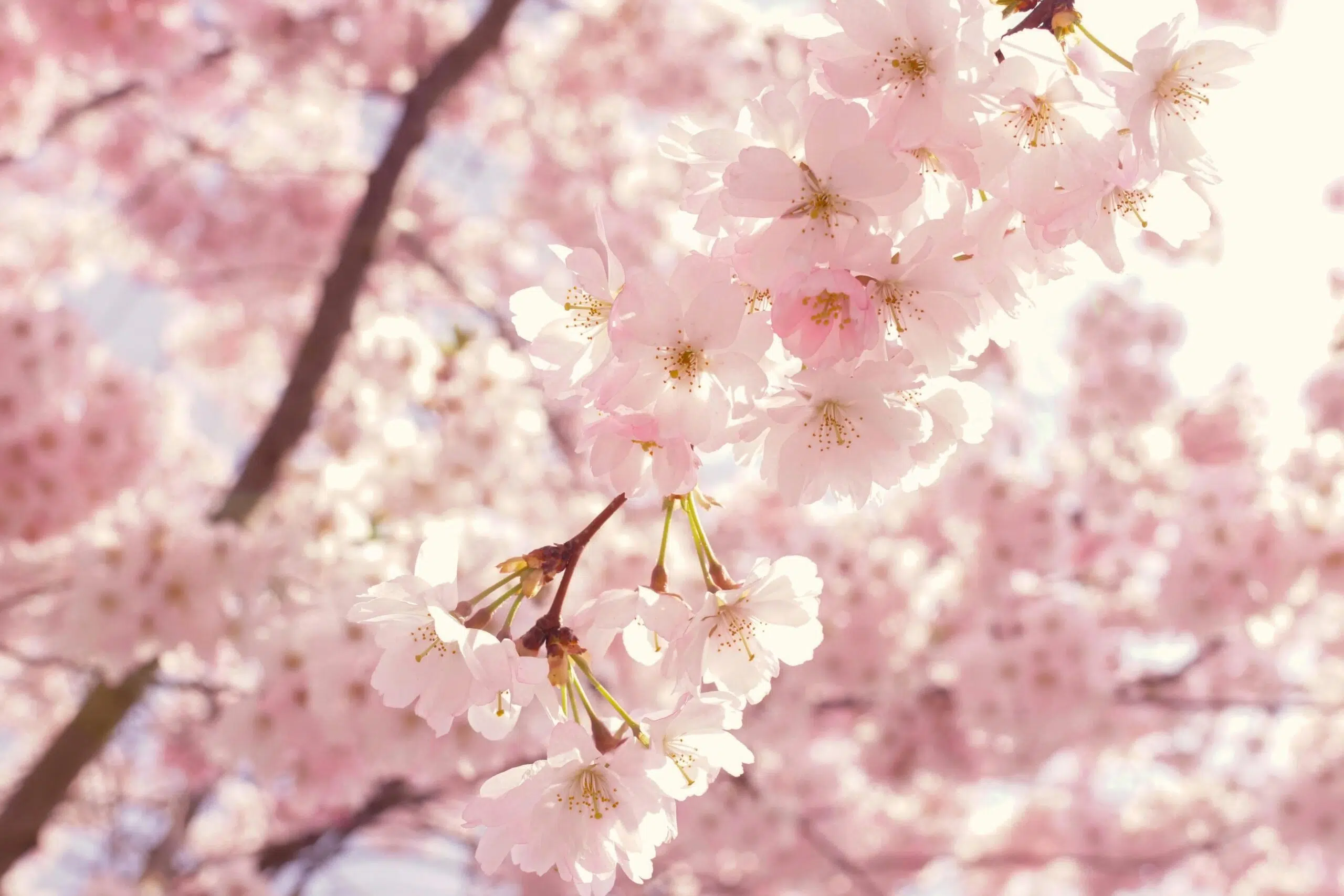
Every year, my cherry tree becomes a quiet mentor in my backyard. I didn’t expect that when I planted her in 2019. I simply wanted beauty in the spring. Instead, she has become a living parable—teaching me about hope, endurance, and the mysterious way God works through the seasons of our lives. What began as a simple gardening project has turned into a yearly reminder that winter never has the final word. Here are the five lessons that my cherry tree has taught me about hope and the seasons of life.
Spring of 2019
I brought home a young, vibrant cherry tree from the nursery. Her bright green leaves testified to the care she had received, and I was determined to give her the same attention in her new home. I planted her in my garden, watered her generously, and watched her flourish through the summer.
But when autumn arrived, her leaves began to turn yellow. Her radiance faded day by day until she stood there looking weary and worn. Thinking she needed more water, I gave her more. It didn’t help.
Then winter came—and stripped her of everything.
The leaves that once leapt toward the sunlight lay rotting on the ground. She could no longer feel the sun; to her, the world had gone dark. As if the cold weren’t enough, rabbits gnawed at her already frozen bark.
Troubled on every side
All winter long, I watched my cherry tree from my patio door—battered, bare, and alone, but still standing in the snow‑covered yard. The sight brought to mind Paul’s words in 2 Corinthians 4:8–9:
“We are troubled on every side, yet not distressed; perplexed, but not in despair; persecuted, but not forsaken; cast down, but not destroyed.”
How can one be troubled on every side but not distressed?
How can you lose everything yet not be lost?
And how is my cherry tree still standing even though it has lost everything to this battering ram (winter) from the Arctic?
Lesson #1: Winter always Comes — and Yes, It Stings
From the outside, my cherry tree looks dead.
What once stood in awe now drooped like doom waiting to fall.
What once stood in grace, clothed in bright flowers and lush leaves, now loiters at one corner of my garden, stripped of all elegance.
Her foliage—and even her bark—seemed ravaged by frostbite. In the sub‑zero cold, ice crystals formed inside her, piercing cells that would otherwise have lived.
That is the sting of winter!
And winter comes for all of us—sometimes suddenly, sometimes slowly, but always with a bite.
In this world you will have tribulations….
Lesson #2: In Winter’s Darkest Hour, Don’t Lose Sight of Hope
Despite everything, my tree remained calm. Her leafless branches leaned toward the direction she last saw the sun. She remembered where hope once lived—and she kept her gaze there all winter long in the hope that the spring of April would come, and she would feel the warm embrace of the sun again.
King David wrote, “I will look up the hills from whence my help comes.”
There is something powerful about looking toward hope when winter stings.
There is something about remembering the promises of spring that helps one survive winter.
There is something life-giving about recalling past victories.
This isn’t fantasizing; remembering builds faith and resilience in dark times.
“I will remember the deeds of the Lord; yes, I will remember your miracles of long ago.” — Psalm 77:11
Where have you most recently noticed God’s hand at work—in your life, in someone else’s, or in the scriptures? Fix your gaze there. Don’t fixate on the sting of winter.
Lesson #3: Hope Is Never Truly Dead
Inside the tree, a different story was unfolding.
Beyond those dying cells lies the tree’s heart (phloem). This inner core refuses to freeze because of the sugar stored within it. Those sugars are the sweet memories of last spring, the tree’s natural antifreeze. They guard her from the cold that tries to tear her apart.
Armed with the hope of spring to come and the memories of springs past, my cherry tree survived winter. Even the harshest cold cannot freeze those sweet memories.
Hope makes a person unkillable.
Hopelessness makes a person a victim.
The secret of my tree is hope—hope for seeds, hope for flowers, hope for life beyond the cold. Hope is powerful. Hope endures. Hope does not put us to shame because it is anchored in Christ and His finished work.
Lesson #4: Don’t Stop Seeking the Light in the Dark
For a moment, picture an oak’s seed as it falls from the farmer’s hand into the soil. It moves from a season of light into thick darkness, sinking under the weight of the earth—a stark contrast to the days it once soared on the oak’s branch. Yet even in that darkness, the lonely seed seeks the light. It pushes up the soil’s weight, driven by its desire to see the light again.
But then the rain comes—heavy and crushing—driving the lonely seed deeper still, its hard‑won progress lost. The struggle begins to wear it down as the soil breaks it open, exposing the life within. One part grows deep for anchor; the other pushes upward, answering the call of the light it sought so intensely. When it finally feels the warm embrace of the sun again, it stands upright with its tiny leaf widespread. Yes! The great oak is here to thrive!
That, my friend, is hope.
Hope seeks life in the grave.
Hope seeks rest in troubled waters.
Hope trusts and believes against hope.
Hope remembers the good times and endures the seasons—spring or winter.
Sometimes hope is all we need:
the hope of spring in the dead of winter,
the hope of life in death,
the hope of calm while storms tear us apart,
hope in seasons we do not understand.
The remedy for evil is good.
The cure for darkness is light.
And the medicine for the bad times we dread is the memory of the good times we crave. If overcoming darkness requires seeking the light, then we must not allow the sting of winter to freeze the memories, hopes, and dreams that define us. Once hope freezes, winter stays forever.
Lesson #5: Growth Happens in Hidden Places
Winter looks like a loss.
It looks like silence, stillness, and stagnation.
But winter is also where roots deepen.
While my cherry tree appeared lifeless on the surface, most of her growth was happening underground and within—quiet, unseen, and slow. The harsh season didn’t stop her growth; it redirected it. Winter forced her to strengthen what no one could see so she could support what everyone would one day admire.
We often mistake hidden growth for no growth.
We assume silence means God is absent.
We assume stillness means nothing is happening.
But God does some of His most transformative work in the dark, beneath the surface, where no one is applauding, and no one is watching. Winter is not wasted time. Winter is preparation time.
Spring reveals what winter built.
Conclusion
Like my cherry tree, like the lonely acorn, and like Jesus—who endured the cross for the joy set before Him—we endure our winters because spring will come.
And when it does, we will blossom again.